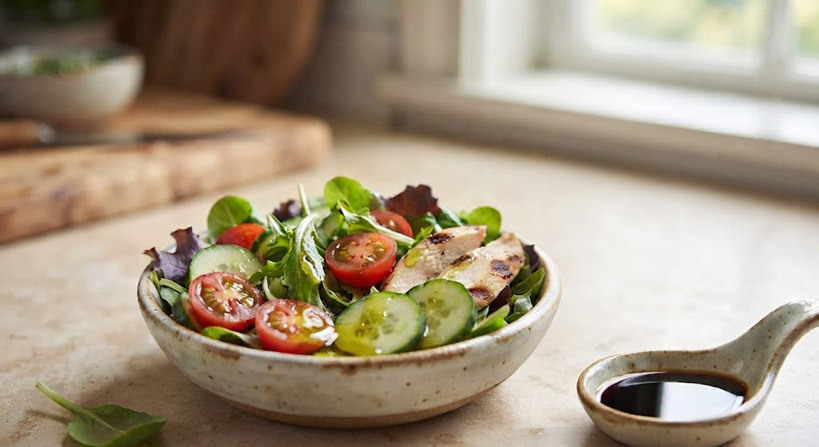
 When you are taking a GLP-1 or dual GLP-1/GIP medication like Ozempic, Wegovy, or Mounjaro, eating significantly less means every bite must count. High-grade Extra Virgin Olive Oil is the ultimate companion for your wellness journey, helping your body absorb essential fat-soluble vitamins, naturally supporting smooth digestion, and delivering powerful antioxidants to combat cellular stress. Just a small daily splash of quality EVOO provides healthy fats that stabilize energy, making your smaller meals both deeply nourishing and delicious.
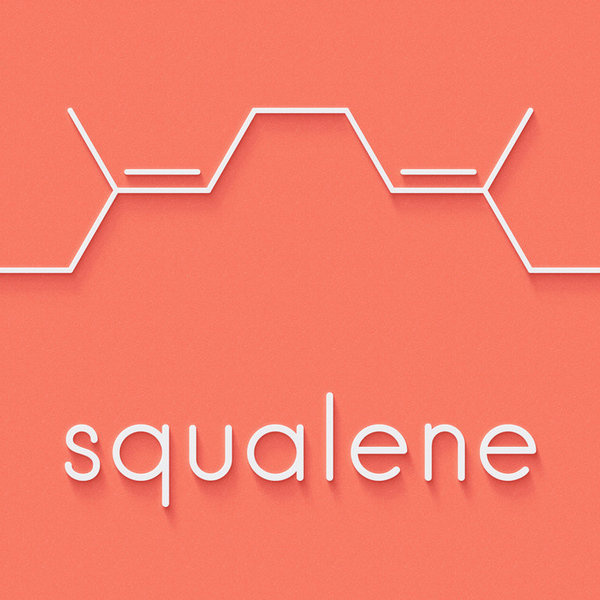 Squalene is a naturally occurring compound found in virgin olive oil. Laboratory research suggests it may influence immune cells involved in inflammation and tissue repair, offering another area of interest in olive oil research.
 Researchers found that tyrosol, a naturally occurring phenolic compound in extra virgin olive oil, reduced oxidative stress and signs of neurodegeneration in a worm model of Parkinson’s disease. The findings are preliminary but offer an interesting direction for further research.
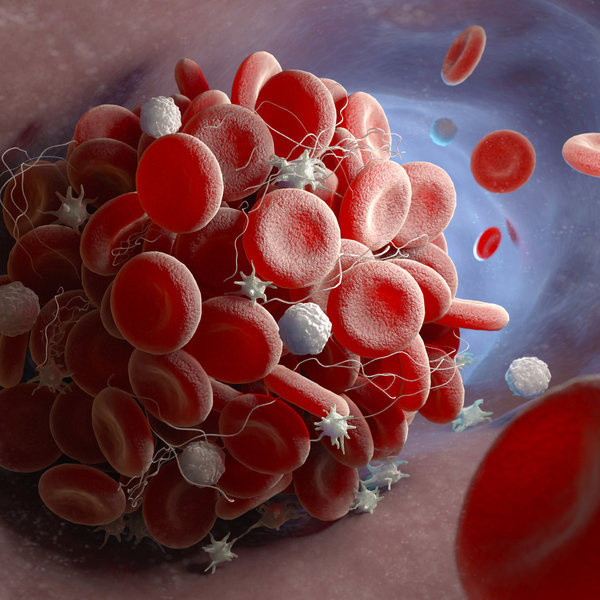 Research in adults with obesity found that more frequent olive oil consumption was associated with lower platelet activation. Learn why researchers are interested in this potential connection to cardiovascular health.
 A long-term study of more than 90,000 U.S. adults found that higher olive oil consumption was associated with a lower risk of death from several major causes. Learn why replacing certain fats with olive oil may be an important part of a healthier diet.