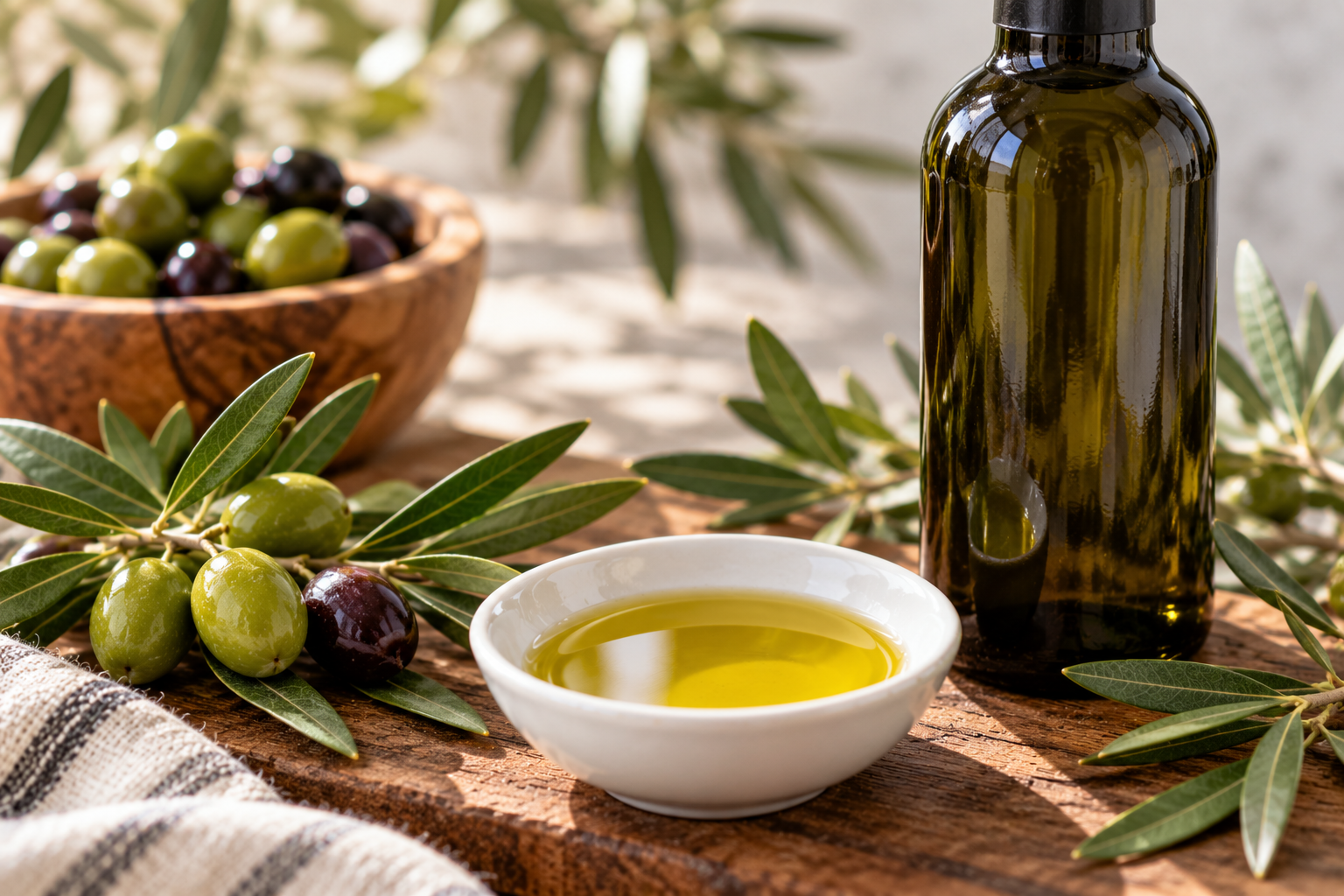
 We talk frequently at The Anointed Olive about choosing fresh Extra Virgin Olive Oil, looking at the harvest date, understanding the chemistry, and buying a bottle size you'll actually use. But there's another important part of protecting the EVOO you bring home:
Keep it away from light.
 Researchers found that tyrosol, a naturally occurring phenolic compound in extra virgin olive oil, reduced oxidative stress and signs of neurodegeneration in a worm model of Parkinson’s disease. The findings are preliminary but offer an interesting direction for further research.
 Research using an Alzheimer’s disease mouse model found that oleocanthal, a naturally occurring phenolic compound in extra virgin olive oil, influenced inflammatory pathways and reduced beta-amyloid accumulation. Human clinical research is still needed.
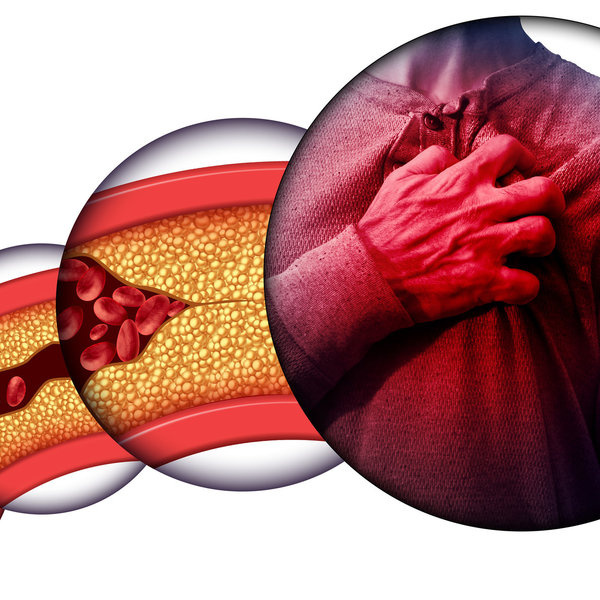 Researchers studying rats found that olive oil and the phenolic compounds oleuropein and caffeic acid influenced fat oxidation and energy metabolism in cardiac tissue. The findings offer insight into how olive oil compounds may work, but human studies are needed.
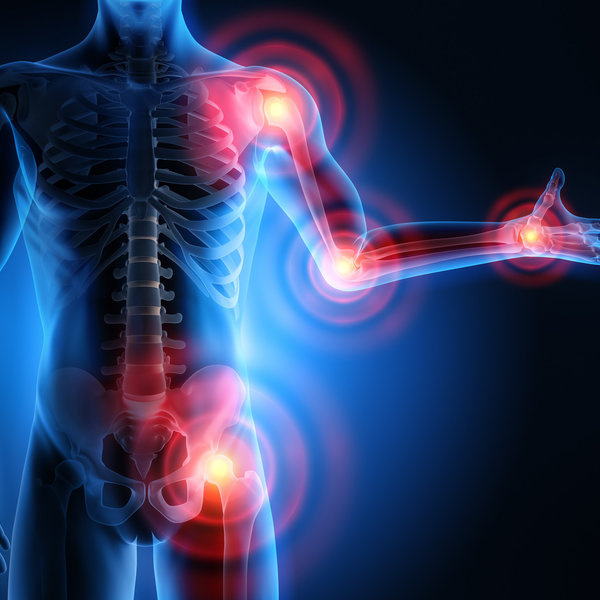 That peppery sensation in the back of your throat when tasting some extra virgin olive oils isn't just flavor. Researchers discovered that oleocanthal, a naturally occurring compound in EVOO, affects some of the same inflammatory pathways as ibuprofen.