

Olive oil has been studied extensively for its relationship with cardiovascular health. One smaller study explored a particularly interesting question:
Could olive oil consumption be associated with how active our blood platelets are?
Researchers from the NYU School of Medicine found that among adults with severe obesity, those who consumed olive oil more frequently had lower levels of platelet activation under certain laboratory conditions.
The finding doesn't mean that olive oil has been proven to prevent blood clots, heart attacks or strokes—but it gives researchers another potential mechanism to investigate.
Why Do Platelets Matter?
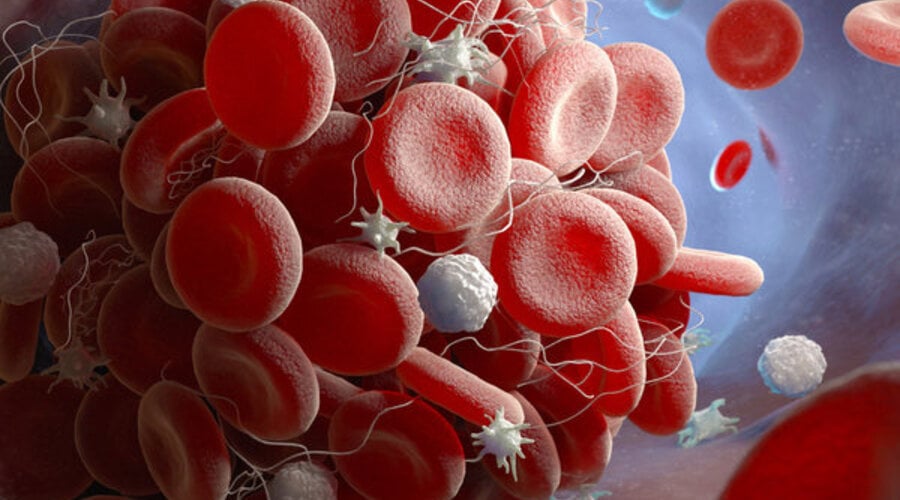
Platelets are small cell fragments circulating in the blood that play an essential role in clotting.
When a blood vessel is damaged, platelets become activated and help form a clot to stop bleeding.
That's a necessary and protective process.
But excessive platelet activation can also contribute to atherothrombosis, the formation of blood clots associated with atherosclerotic plaque. These processes are involved in cardiovascular events such as heart attacks and some strokes.
Researchers therefore study platelet activity as one of many factors involved in cardiovascular health.
What Did the Study Examine?
Researchers studied 63 adults with severe obesity, with an average age of approximately 32 years.
Participants were divided into three groups according to how frequently they reported consuming olive oil:
- Less than once per week
- One to three times per week
- Four or more times per week
Researchers then measured platelet activation using a marker called P-selectin, both before and after the platelets were exposed to thrombin—a substance that activates platelets.
What Did Researchers Find?
When the platelets weren't stimulated, researchers did not find a significant difference in platelet activation based on olive oil consumption.
The interesting result appeared after exposure to thrombin.
Participants who consumed olive oil more frequently showed lower thrombin-induced platelet activation.
In other words, when researchers stimulated the platelets under laboratory conditions, platelets from people who consumed olive oil more often showed a lower activation response.
The researchers concluded that more frequent olive oil intake was associated with reduced thrombin-induced platelet activation in adults with obesity.
Does That Mean Olive Oil Prevents Blood Clots?
No.
This distinction is important.
The researchers measured a biological marker associated with platelet activity. They did not follow participants to determine whether people who consumed more olive oil actually developed fewer blood clots, heart attacks or strokes.
The study was also small and observational.
Participants reported how frequently they consumed olive oil, but researchers did not control the amount or type of olive oil they consumed.
So the study shows an association, not cause and effect.
Why Is the Finding Interesting?
People with obesity can have increased platelet activity, which is one of several factors that may contribute to greater cardiovascular risk.
If dietary patterns influence platelet activation, understanding that relationship could help researchers better understand some of the cardiovascular benefits associated with olive oil and Mediterranean-style eating patterns.
This study doesn't provide the final answer.
It provides another piece of the puzzle.
What About Extra Virgin Olive Oil?
The study examined olive oil consumption generally and did not establish which grades or types of olive oil participants consumed.
That's important because we can't attribute the findings specifically to extra virgin olive oil.
EVOO does, however, contain characteristics that continue to interest cardiovascular researchers.
It is naturally high in oleic acid, a monounsaturated fatty acid, and it retains naturally occurring biophenols and other phenolic compounds from the olive fruit.
Researchers continue to investigate how these components may influence inflammation, oxidative stress, blood-vessel function and other processes related to cardiovascular health.
The Bigger Cardiovascular Picture
This small platelet study shouldn't be viewed in isolation.
Much larger studies have also associated olive oil consumption with favorable cardiovascular outcomes.
For example, research involving tens of thousands of U.S. adults has found that higher olive oil consumption was associated with a lower risk of cardiovascular disease and coronary heart disease, particularly when olive oil replaced fats such as butter, margarine, mayonnaise and dairy fat.
So while the platelet study cannot tell us that olive oil prevents blood clots, it offers researchers one possible biological pathway that may help explain the broader relationship between olive oil consumption and cardiovascular health.
The Takeaway
A study of 63 adults with severe obesity found that more frequent olive oil consumption was associated with lower platelet activation after laboratory stimulation with thrombin.
That's interesting because excessive platelet activation is involved in the processes that can contribute to cardiovascular disease.
But the research does not prove that olive oil prevents blood clots, heart attacks or strokes.
Instead, it adds another potential mechanism to the growing body of research examining olive oil and cardiovascular health—and gives scientists another reason to continue investigating what happens inside the body when olive oil becomes a regular part of the diet.
Research Source
Zhang R, Moscona A, Myndzar K, et al. More Frequent Olive Oil Intake Is Associated With Reduced Platelet Activation in Obesity. Nutrition, Metabolism and Cardiovascular Diseases. 2021;31(12):3322–3325.
This article is for educational purposes only and is not intended to diagnose, treat, cure or prevent any disease or replace individualized medical advice.


Leave a comment