 Researchers found that tyrosol, a naturally occurring phenolic compound in extra virgin olive oil, reduced oxidative stress and signs of neurodegeneration in a worm model of Parkinson’s disease. The findings are preliminary but offer an interesting direction for further research.
 Research using an Alzheimer’s disease mouse model found that oleocanthal, a naturally occurring phenolic compound in extra virgin olive oil, influenced inflammatory pathways and reduced beta-amyloid accumulation. Human clinical research is still needed.
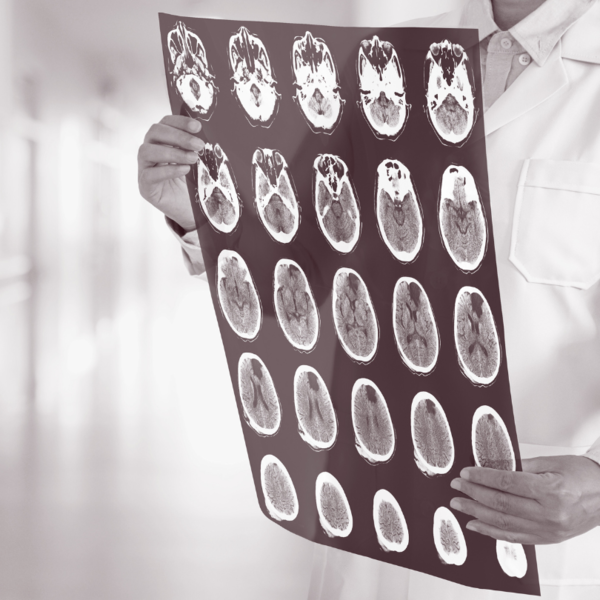 A long-term study of more than 92,000 U.S. adults found that consuming at least 7 grams of olive oil per day was associated with a 28% lower risk of dementia-related death. Here's what researchers discovered about olive oil, diet quality, and brain health.
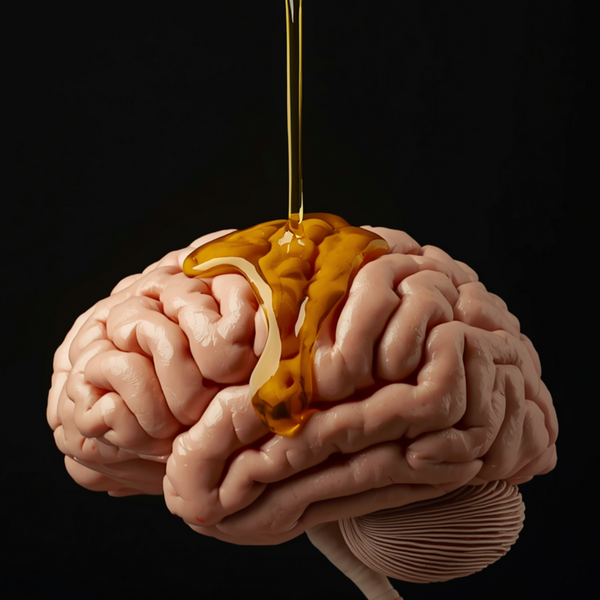 Extra virgin olive oil has long been recognized as a foundational ingredient in the Mediterranean diet, often associated with heart health and longevity.
But emerging research is now pointing to something more:
The type of olive oil you use may play a role in supporting cognitive function and long-term brain health.
A recent study published in Medical Xpress highlights how olive oil—specifically extra virgin and virgin varieties—may influence memory, focus, and overall cognitive performance.