
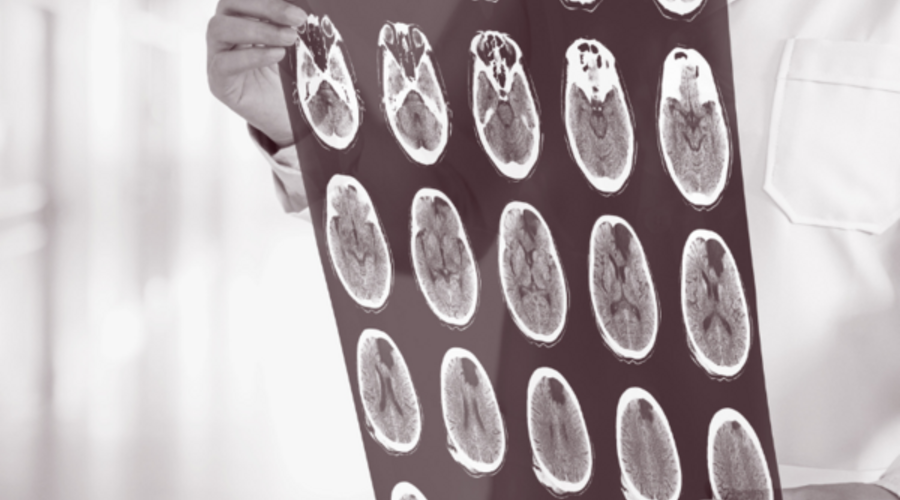
Olive oil has long been a cornerstone of the Mediterranean diet and has been extensively studied for its potential cardiovascular and metabolic benefits. Research is also examining another intriguing area: the relationship between olive oil consumption and brain health.
A large study published in JAMA Network Open in 2024 found that people who regularly consumed olive oil had a lower risk of dying from dementia compared with those who rarely or never consumed it.
The findings don't prove that olive oil prevents dementia, but they add to a growing body of research examining the relationship between dietary choices and long-term cognitive health.
More Than 92,000 Adults Followed for 28 Years
Researchers from the Harvard T.H. Chan School of Public Health and collaborating institutions analyzed data from two major long-running studies: the Nurses' Health Study and the Health Professionals Follow-Up Study.
The analysis included 92,383 U.S. adults—60,582 women and 31,801 men—who were followed for 28 years.
During the study period, researchers documented 4,751 dementia-related deaths.
Participants periodically reported their dietary habits, allowing researchers to examine long-term olive oil consumption and compare it with dementia-related mortality.
The 28% Difference
The result that attracted considerable attention was seen among participants consuming more than 7 grams of olive oil per day.
That's roughly half a tablespoon of olive oil daily.
Compared with people who never or rarely consumed olive oil, those consuming at least this amount had a 28% lower risk of dementia-related death after researchers adjusted for numerous lifestyle, health and demographic factors.
Interestingly, the association remained even after researchers accounted for participants' overall diet quality.
That doesn't mean the rest of your diet doesn't matter. Rather, it suggests olive oil itself may deserve further investigation as researchers work to understand the relationship between diet and cognitive health.
Replacing Certain Fats With Olive Oil
Researchers also examined what happened statistically when olive oil replaced other sources of dietary fat.
Replacing about 5 grams per day of margarine or mayonnaise with the equivalent amount of olive oil was associated with an 8% to 14% lower risk of dementia-related death.
The same significant association was not observed when olive oil was substituted for butter or other vegetable oils.
This distinction is important because nutrition research increasingly looks not only at what we add to our diets, but also at what a food replaces.
Why Might Olive Oil Matter?
The study wasn't designed to prove exactly why olive oil might be associated with cognitive health, but researchers discussed several possible explanations.
Olive oil is rich in monounsaturated fatty acids and also contains compounds with antioxidant properties, including vitamin E and polyphenols.
Researchers have proposed that components of olive oil may have anti-inflammatory and neuroprotective effects. Olive oil consumption may also support vascular health, which is particularly relevant because cardiovascular and brain health are closely connected.
Extra virgin olive oil is especially interesting from a research perspective because, unlike highly refined oils, it retains naturally occurring phenolic compounds produced by the olive fruit.
What the Study Does — and Doesn't — Tell Us
As promising as the results are, there is an important limitation.
This was an observational study.
Researchers observed what people ate and what happened to their health over time. They did not randomly assign one group to consume olive oil and another group to avoid it.
That means the study can demonstrate an association, but it cannot prove that olive oil itself caused the reduction in dementia-related mortality.
The researchers adjusted their analysis for many potential influences, including physical activity, smoking, body mass index, family history of dementia and overall diet quality. Still, other differences between people who consume olive oil and those who don't could contribute to the results.
The study population was also predominantly non-Hispanic White health professionals, which may limit how broadly the findings can be applied to other populations.
Another limitation particularly relevant to us: researchers could not distinguish among different types or grades of olive oil.
So, while the study tells us something important about olive oil consumption, it cannot tell us whether extra virgin olive oil, refined olive oil or oils with different polyphenol levels would produce different outcomes.
Part of a Bigger Picture
This study doesn't suggest that a spoonful of olive oil is a magic solution for preventing dementia.
What it does provide is another compelling piece of evidence supporting the role of dietary fat choices in long-term health.
Olive oil is already a defining component of the Mediterranean diet, a dietary pattern that has been extensively studied in connection with cardiovascular and cognitive health.
Choosing olive oil for salad dressings, cooking, marinades or simply drizzling over finished foods is an easy way to incorporate it into everyday meals.
And sometimes the simplest dietary changes are the easiest ones to maintain.
The Takeaway
After following more than 92,000 adults for 28 years, researchers found that consuming at least 7 grams—roughly half a tablespoon—of olive oil per day was associated with a 28% lower risk of dementia-related death compared with rarely or never consuming olive oil.
Replacing a small amount of margarine or mayonnaise with olive oil was also associated with lower dementia-related mortality.
These findings don't prove that olive oil prevents dementia, but they add to the growing scientific interest in olive oil, the Mediterranean diet and their potential roles in supporting long-term cognitive health.
Research Source
Tessier AJ, Cortese M, Yuan C, et al. Consumption of Olive Oil and Diet Quality and Risk of Dementia-Related Death.JAMA Network Open. 2024;7(5).
This article is for educational purposes only and is not intended to diagnose, treat, cure or prevent any disease or replace individualized medical advice.


Leave a comment