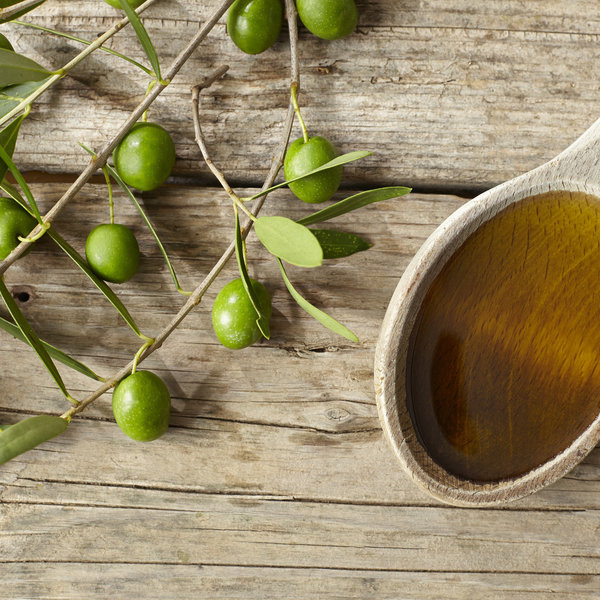
 A long-term study of more than 90,000 U.S. adults found that higher olive oil consumption was associated with a lower risk of death from several major causes. Learn why replacing certain fats with olive oil may be an important part of a healthier diet.
 Research using an Alzheimer’s disease mouse model found that oleocanthal, a naturally occurring phenolic compound in extra virgin olive oil, influenced inflammatory pathways and reduced beta-amyloid accumulation. Human clinical research is still needed.
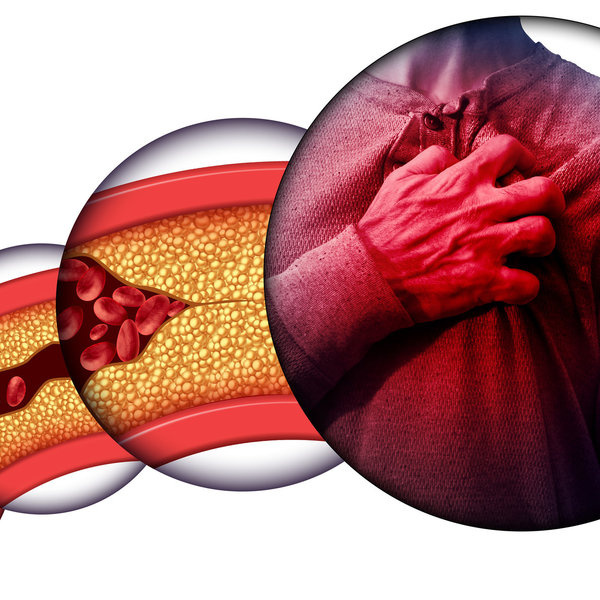 Researchers studying rats found that olive oil and the phenolic compounds oleuropein and caffeic acid influenced fat oxidation and energy metabolism in cardiac tissue. The findings offer insight into how olive oil compounds may work, but human studies are needed.
 A large Italian study found that women who consumed more olive oil and leafy green vegetables had a lower incidence of coronary heart disease. Here's what researchers found—and what the study can and cannot tell us.
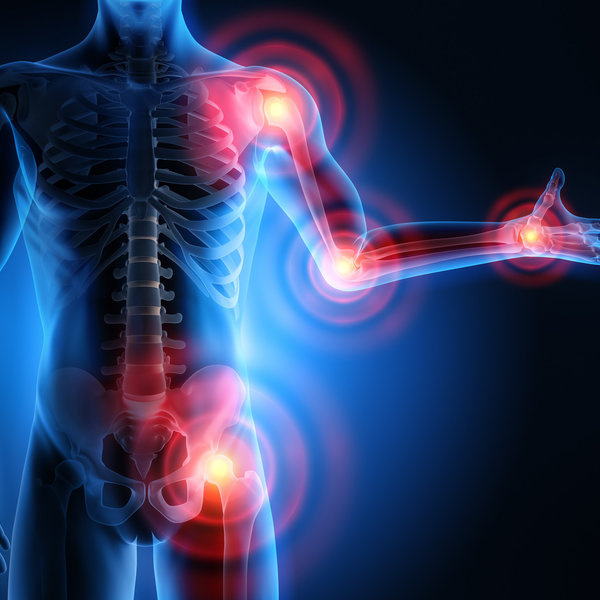 That peppery sensation in the back of your throat when tasting some extra virgin olive oils isn't just flavor. Researchers discovered that oleocanthal, a naturally occurring compound in EVOO, affects some of the same inflammatory pathways as ibuprofen.