

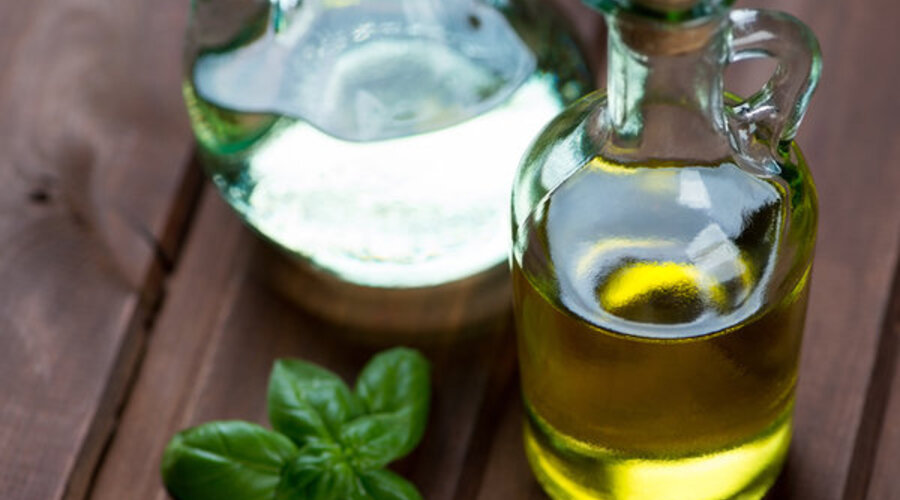
You can start with an exceptional extra virgin olive oil—but how you store it after bringing it home matters.
Unlike wine, olive oil does not improve with age.
From the moment olive oil is produced, oxidation and other natural changes gradually affect its flavor, aroma and chemistry. Proper storage won't stop that process completely, but it can significantly slow it down.
There are four things to remember:
Heat. Light. Oxygen. Time.
Protect your EVOO from those four enemies and you'll help keep it fresh for as long as possible.
1. Limit Exposure to Oxygen
Oxygen is one of olive oil's biggest enemies.
Once a bottle is opened, oxygen enters the container and begins interacting with the oil. Over time, oxidation contributes to the deterioration of its flavor, aroma and beneficial compounds.
EVOO contains naturally occurring antioxidants, including Biophenols and tocopherols, that help protect the oil from oxidation. But those compounds are gradually depleted as they do their job.
That's why you should:
- Close your bottle promptly after every use.
- Don't leave the cap or pour spout open unnecessarily.
- Buy an amount of olive oil you can reasonably use while it's fresh.
A beautiful bottle of EVOO isn't something to save indefinitely for a special occasion. Use it and enjoy it.
2. Keep Olive Oil Away From Heat
Your EVOO may be convenient sitting right beside the stove, but that's not necessarily the best place for it.
Repeated exposure to heat accelerates oxidation and can shorten the useful life of the oil.
Store your olive oil in a cool, stable location, such as a pantry or cabinet away from the oven, stovetop and other heat-producing appliances.
It doesn't need to be refrigerated.
In fact, olive oil may become cloudy or begin to solidify when it gets cold. That doesn't mean the oil has gone bad, and it will generally return to its normal appearance as it warms.
3. Protect It From Light
Light—particularly prolonged exposure—is another enemy of olive oil.
That's one reason packaging and storage matter.
Dark or opaque containers help protect EVOO from light exposure. But regardless of the bottle, keeping your olive oil away from direct sunlight is important.
Don't store it on a sunny windowsill or leave it where it receives strong light throughout the day.
A closed cabinet or pantry is ideal.
4. Freshness Matters
This is one of the most important things we teach about olive oil:
Fresh olive oil is better olive oil.
Olive oil doesn't suddenly become bad on a particular date. It gradually changes.
Its aromas and flavors diminish. Its naturally occurring Biophenols decline. Eventually, oxidation can produce the stale, unpleasant flavors associated with rancidity.
That's why we pay attention to harvest dates, not simply a date printed on a bottle.
At The Anointed Olive, our extra virgin olive oils follow the Northern and Southern Hemisphere harvest cycles, allowing us to continually bring in freshly harvested oils throughout the year.
Should You Buy Olive Oil in Bulk?
Only if you're going to use it.
A larger container isn't necessarily a better value if the oil sits open for a long period of time.
Think about how much olive oil your household actually uses and purchase accordingly.
For someone who cooks with EVOO every day, a larger bottle may make perfect sense. For an occasional user, a smaller bottle that gets used while the oil is still fresh may be the better choice.
What About the Bottle?
Container choice can help, but where and how you store the bottle matters too.
Dark glass and opaque containers provide additional protection against light. Clear glass offers less protection and makes proper storage away from light even more important.
Regardless of the container, keep it:
Cool. Dark. Closed. And use it while it's fresh.
Can You Tell When Olive Oil Has Gone Rancid?
Often, yes.
Rancid olive oil loses the fresh fruit aromas and flavors you expect from a good EVOO and develops stale or unpleasant characteristics.
People sometimes don't recognize rancidity because they've become accustomed to olive oil that has already oxidized.
That's one reason tasting fresh EVOO can be such an eye-opener. Once you become familiar with the aroma, bitterness, fruitiness and pungency of fresh oil, older oxidized oil becomes much easier to recognize.
The Takeaway
Proper olive oil storage isn't complicated.
Remember the four enemies:
Heat + Light + Oxygen + Time
Keep your EVOO tightly closed, away from sunlight and heat, and purchase quantities you'll actually use.
And most importantly, don't save good olive oil.
Use it.
Extra virgin olive oil is at its best when it's fresh.
Research & Further Reading
The original article was published by Olive Oil Times in September 2021 and discusses the effects of oxygen, temperature, light, packaging and storage time on extra virgin olive oil quality.
This article is for educational purposes and reflects current understanding of extra virgin olive oil storage and quality.


Leave a comment